
GestaCare Gestação 35+
Pregnancy and Fetal Development
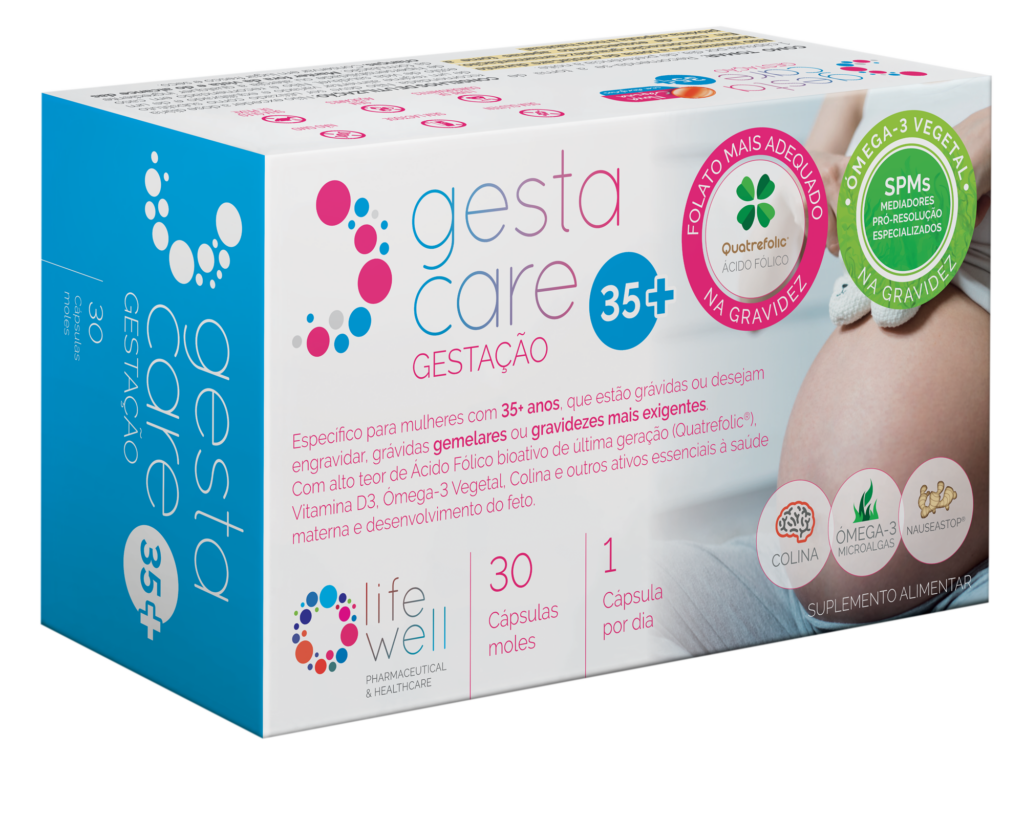
GestaCare Gestação 35+
Specific supplementation for women over 35 who are pregnant or wish to become pregnant, twin pregnancies or more demanding pregnancies.
A formulation enriched with bioactive Folic Acid (Quatrefolic®), Choline, Vegetable DHA, Ginger, Iodine, Iron, among other active ingredients, for adequate supplementation during pregnancy and fetal development.
The Maternal Age
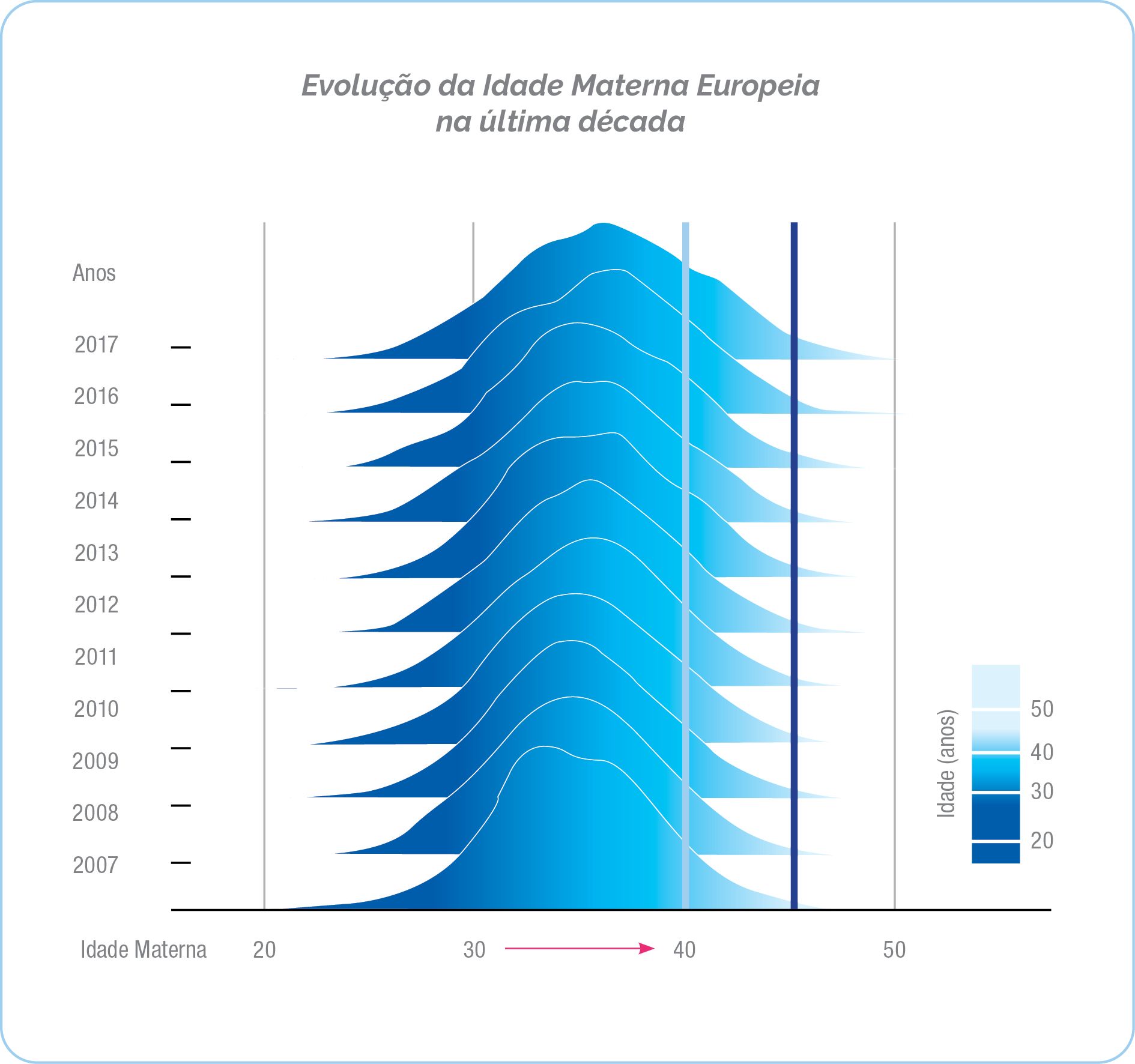
Our society has undergone significant changes in habits and lifestyle in recent decades. People are developing their personal, academic and professional projects later in life, they are spending several years structuring a professional career and their financial stability, and they are often putting off maternity projects.
In recent decades, the rate of pregnancy at an advanced maternal age has increased, requiring more specialized obstetric surveillance.
Advanced maternal age is defined as childbirth at the age of 35 or over, but recently most protocols in this area have used 40 as the lower limit for the definition of advanced maternal age. It should always be emphasized that, with advancing maternal age, there is a decline in fertility with all the underlying psychological and social impact.
Pregnancy after 35
What are the associated risks?
Being a first-time mother after a certain age can have some disadvantages from a clinical point of view. In the case of the mother, there is an increased risk of gestational diabetes, high blood pressure, placenta previa, miscarriage or premature birth. In the case of the fetus, there are malformations and chromosomal defects, such as Down’s Syndrome.
Experts warn that although this is a pregnancy that statistically has a higher risk of morbidity , with more maternal and fetal complications, it is not contraindicated. Pregnancy at an advanced age requires special vigilance, but as long as there is adequate monitoring, the likelihood of everything going well is very high.
Despite the increased risk of maternal and fetal/neonatal complications, the majority of these pregnancies occur without major complications and most of these babies’ outcomes are normal.

What can be done to prevent and reduce risks?
In order to reduce the risk of complications, it is essential to increase prenatal care in pregnancies over the age of 35, and this care should begin in the pre-conception period. It is therefore advisable to
- Make a pre-conception assessment appointment with a gynecologist/obstetrician;
- Identify any pathologies;
- Assess chronic diseases (hypertension, diabetes, obesity, osteoarticular diseases, among others) and stabilize them with the support of various specialists before starting to try to get pregnant;
- Use tests such as amniocentesis (collection of amniotic fluid to accurately detect abnormalities in the fetus); biochemical tests (biochemical marker method); chorionic biopsy; the latest fetal DNA tests (via maternal blood) and sequential ultrasounds during pregnancy;
- Carry out all requested surveillance;
- Follow the obstetrician’s recommendations;
- Stop smoking and consuming alcohol or other substances that are contraindicated in pregnancy;
- Take adequate supplementation, particularly of folic acid, vitamin D3, iodine, choline and other micronutrients essential for maintaining good maternal health, ensuring better fetal development and preventing the development of birth defects;
- Maintaining a healthy weight and eating a healthy, varied and balanced diet.
GestaCare Pregnancy 35+ - what is it?
New formula reinforced with Bioactive Folic Acid(Quatrefolic®), Vitamin D3, Vegetable DHA (Omega-3), Choline and other active ingredients of special relevance for pregnant women aged 35+, twin pregnancies or more demanding pregnancies.
The formula has been enriched with a higher intake of choline and bioactive folic acid (Quatrefolic®), in line with the latest international clinical guidelines and scientific evidence, to meet the increased nutritional needs of women over 35.
With Nauseastop® Ginger in its formulation, due to its widely studied antiemetic action and specifically developed for nausea and vomiting in pregnancy.
GestaCare Pregnancy 35+ – See in store

Supplementation in pregnancy:
Folic acid (Vitamin B9) plays a key role in reducing the risk of developing malformations of the neural tube of the fetus. Folic acid is a B-complex vitamin that helps prevent spinal cord and brain defects, so-called “neural tube defects”, such as spina bifida or anencephaly.
Three out of four congenital malformations of the neural tube could be avoided by intake of folic acid, before a pregnancy was produced (ideally, 3 to 6 months before) and during the first 12 weeks of pregnancy. The evidence of the positive association between folic acid intake deficiency and neural tube malformations is strong, so compliance with supplementation recommendations is crucial in prevention.
The GestaCare supplementation range has a state-of-the-art folic acid, a form of biologically active folate, with no need for metabolization and with recognized added value in comparison with unmetabolized (traditional) folic acid, the only one that has existed in Portugal to date.
GestaCare Pregnancy 35+ has a higher dosage of Bioactive Folic Acid to meet the increased needs of pregnant women aged 35+.
Find out more about Quatrefolic®, the latest generation folic acid in GestaCare Pregnancy 35+.
Recommended by the American Medical Association and the American Academy of Pediatrics and other international organizations.
Maternal choline intake during pregnancy has beneficial neurocognitive effect.
It promotes the development of the fetal brain and thus decreases the risk of developing mental illnesses.
Its deficiency may result in preeclampsia and intrauterine growth restriction.
GestaCare Pregnancy 35+ has a higher dosage of choline to meet the increased needs of pregnant women aged 35 and over.
Iron in combination with some micronutrients helps to increase blood volume and prevent anemia. It is important for energy metabolism and for the development of the fetal nervous system.
The deficit of this mineral may lead to increased risk of low birth weight, prematurity, perinatal mortality and disturbances in neuronal development. The daily intake of 30 mg is ideal during pregnancy, and it is necessary to take a supplement of this mineral according to the latest scientific evidence.
Iodo deficiency during pregnancy compromises fetal cognitive development. Preconception women, pregnant or breastfeeding, should receive a daily Iod supplement of 150 to 200 μg/day, in accordance with national and international recommendations.
Iodo contributes to good neuronal development and cognitive ability, recent studies conducted in Portugal warn of inadequate iod intake in 80% of Portuguese pregnant women, so dgs strongly recommends supplementation.
Learn more at:
Review article: Iode supplementation in pregnancy: what is the importance?
Directorate General for Health (DGS) – Standard of Clinical Guidance No. 011/2013
Maternal status correlated with unfavorable obstetric outcomes such as pre-eclampsia, gestational diabetes and preterm delivery. Influence on fetal development and skeletal mineralization. Vitamin D3 is essential for calcium fixation and is central to the balance between maternal reserves and fetal development.
GestaCare Pregnancy 35+ has a higher dosage of Vitamin D3 to meet the increased needs of pregnant women aged 35+.
Zinc plays crucial functions in various biological processes of the body, such as protein synthesis, energy metabolism, carbohydrate and lipid metabolism, DNA metabolism and is still necessary for differentiation and cell division and proper functioning of the immune system.
It is necessary for the proper neurological development of the fetus and its deficiency may result in congenital malformations, low birth weight and premature death.
Magnesium consumption during pregnancy is associated with decreased risk of pre-eclampsia, premature births, and intrauterine growth retardation.
DHA is critical for the growth and development of the fetal and infantile central nervous system (CNS), as well as in visual and neuronal function and neurotransmitter metabolism.
The importance of DHA supplementation in the context of pregnancy is described in the most recent scientific evidence and international recommendations.
Supplements that include HDA of animal origin present a significant inconvenience for pregnant women as they aggravate nausea and vomiting induced by pregnancy itself. Usually have a strong odor and taste to fish, cause heartburn, reflux, gastrointestinal discomfort and poor digestion.
Current international best practices and recommendations strongly suggest the use of PLANT DHA in the particular context of pregnancy.
The source of DHA present in the composition of GestaCare is already of plant origin.
Learn more here.
Developed in line with the most current recommendations of the leading international bodies regarding the use of Ginger, pregnancy-induced nausea and vomiting.
Several pre-clinical and clinical studies have evaluated the use of ginger in nausea and vomiting in the context of pregnancy, as an alternative to known drug options.
GestaCare Pregnancy offers NauseaStop® , a source of ginger developed for nausea and vomiting in pregnancy.
GestaCare Pregnancy was designed to offer you supplementation with the best tolerability.
Learn more about using ginger in pregnancy (see information below).
The importance of Folic Acid present in GestaCare - Quatrefolic®

Quatrefolic® (Vitamin B9, Folic Acid) or Bioactive Folic Ac id is a patented biologically active folate that differs from the synthetic folic acid normally found in other supplements in that it is a final form of folate that the body can immediately use without any need for metabolization, thus guaranteeing the recommended daily dose and preventing a potential build-up of unmetabolized folic acid in the blood.
This new folate plays an essential role in DNA synthesis, cell division and proper fetal growth.
It is also essential for preventing congenital anomalies in the developing fetus and helps the development of the newborn in the first few months of life. This is the most up-to-date and advanced form of folate, which is why taking it is considered essential for all pregnant women throughout the pre-conception, pregnancy and post-natal stages.
Bioavailability and efficacy
Unlike synthetic folic acid, Quatrefolic® is in its active form, which means that it is readily absorbed and used by the body without the need for metabolic conversion.
Quatrefolic® vs isolated folic acid
Choosing to supplement with Quatrefolic® instead of folic acid alone offers a number of significant advantages, including better bioavailability, guaranteed efficacy in people with mutations in the MTHFR gene, immediate absorption and utilization, and reduced risk of accumulation of unmetabolized folic acid. These advantages make Quatrefolic® a superior choice for ensuring adequate folate intake, especially in critical periods such as pre-conception and pregnancy.
Quatrefolic® is a registered trademark of Gnosis Spa. Copyright© 2018 Gnosis S.p.A. All rights reserved.
The importance of NauseaStop® Ginger in the composition of GestaCare Pregnancy 35+
It is established that 80% of women experience nausea and vomiting during pregnancy, with special severity in the first trimester of pregnancy. Thus, there are many women who suffer from indisposition, nausea and vomiting, with a reflection on the feeding and intake of micronutrients indispensable to the formation of the fetus.
Even in moderate situations, studies highlight the importance of encouraging pregnant women to seek help from their attending physician!
Find out more here about the NauseaStop® ginger source in GestaCare Pregnancy 35+.

The importance of Choline in GestaCare Pregnancy 35+
Choline is a vital nutrient during pregnancy. Adequate supplementation can contribute significantly to the health of the fetus and the mother, helping to ensure the healthy development of the baby’s nervous system and preventing complications related to pregnancy and the postpartum period.
Although choline can be obtained through the diet, the average intake may not be sufficient during pregnancy. Foods rich in choline include eggs, meat, fish, nuts and legumes. However, supplementation may be necessary to ensure that the increased needs during pregnancy and lactation are met.
Development of the fetal nervous system
Choline is essential for the development of the fetus’ brain and spinal cord. This nutrient contributes to the formation of memory and the hippocampus, the region of the brain responsible for memory and learning. Studies have shown that choline supplementation during pregnancy can improve the baby’s cognitive functions in the long term.
Prevention of neural tube defects
Choline, together with folic acid, helps prevent neural tube defects such as spina bifida. These defects occur in the first few weeks of pregnancy, so it is crucial that women in the pre-conception and early pregnancy stages have adequate levels of choline.
Liver function
Essential for liver health, preventing the accumulation of fat in this organ. During pregnancy, the mother’s liver works intensively to metabolize nutrients and provide energy for both mother and foetus, making choline even more important.
Regulation of metabolism and cell growth
Necessary for the synthesis of phospholipids, such as phosphatidylcholine. These are crucial for the structure and function of cells. Choline is also involved in cell signaling and methylation, an important biological process for regulating gene expression.
Mother’s mental health and well-being
Adequate levels of choline can help prevent mood disorders and improve the mother’s cognitive function in the postpartum period. Choline is the precursor to acetylcholine, a neurotransmitter involved in memory and mood regulation.
One capsule a day at bedtime.
VEGETABLE DHA
DHA is critical for the growth and development of the fetal and infantile central nervous system, as well as in visual and neuronal function and neurotransmitter metabolism. Supplements that include HDA of animal origin present a significant inconvenience for pregnant women, as they aggravate nausea and vomiting.
GestaCare DHA is extracted from microalgae, which ensures a DHA oil of superior quality plant origin and with unique characteristics, namely a more pleasant aroma and flavor, in addition to its high absorption capacity.
Quatrefolic®
Quatrefolic® (Vitamin B9, Folic Acid) is a patented, biologically active folic acid that differs from the synthetic folic acid normally found in other supplements in that it is a final form of folate that the body can immediately use without any need for metabolization, thus guaranteeing the recommended daily dose and preventing a potential build-up of unmetabolized folic acid in the blood.
This new folate contributes to the normal metabolism of homocysteine, process of cell division and growth of fetal and maternal tissues during pregnancy.
Hill
The latest scientific evidence shows that choline in pregnancy is associated with fetal neurodevelopment, with a beneficial neurocognitive effect and reduces the risk of developing mental illness.
Vitamin D3
Vitamin D ensures, during pregnancy, the calcium needs of the fetus and later the newborn. Vitamin D exists in the preconceptive supplements in order to ensure an adequate embryonic implantation.
NauseaStop® Ginger
Several clinical studies prove the use of ginger for nausea and vomiting in the context of pregnancy, as an alternative to known drug options. GestaCare offers NauseaStop®, a source of ginger developed for nausea and vomiting in pregnancy.
Other Components
Minerals: Iron Ferronyl™ Micronized, Magnesium, Zinc, Manganese, Iodine and Selenium; Vitamins: B1, B2, B3 (Niacin), B5 (Pantothenic Acid), B6, B8 (Biotin), B12 and Vitamin E; Others: Gingerols.
Dietary supplements should not be used as substitutes for a varied diet. It is important to maintain a healthy lifestyle. Read the leaflet included in the packaging carefully. If in doubt, consult your doctor or pharmacist. Keep out of the sight and reach of children. Store in a cool, dry place. Todos os suplementos alimentares comercializados pela LifeWell foram fabricados de acordo com as melhores práticas internacionais de produção e devidamente examinados, validados e autorizados pelas respetivas autoridades de saúde em Portugal.
Editorial Note: This page and all other contents present in
lifewell.pt
are prepared and reviewed by medical experts in Portugal.
Sources:
Frick AP. Advanced maternal age and adverse pregnancy outcomes. Best PractRes Clin ObstetGynaecol, 2021 Jan;70:92-100.
Claramonte NietoM. Impact of aging on obstetric outcomes: defining advanced maternal age in Barcelona. BMC Pregnancy Childbirth, 2019 Sep 23;19(1):342.