The Acne Treatment Pill
Birth control and acne
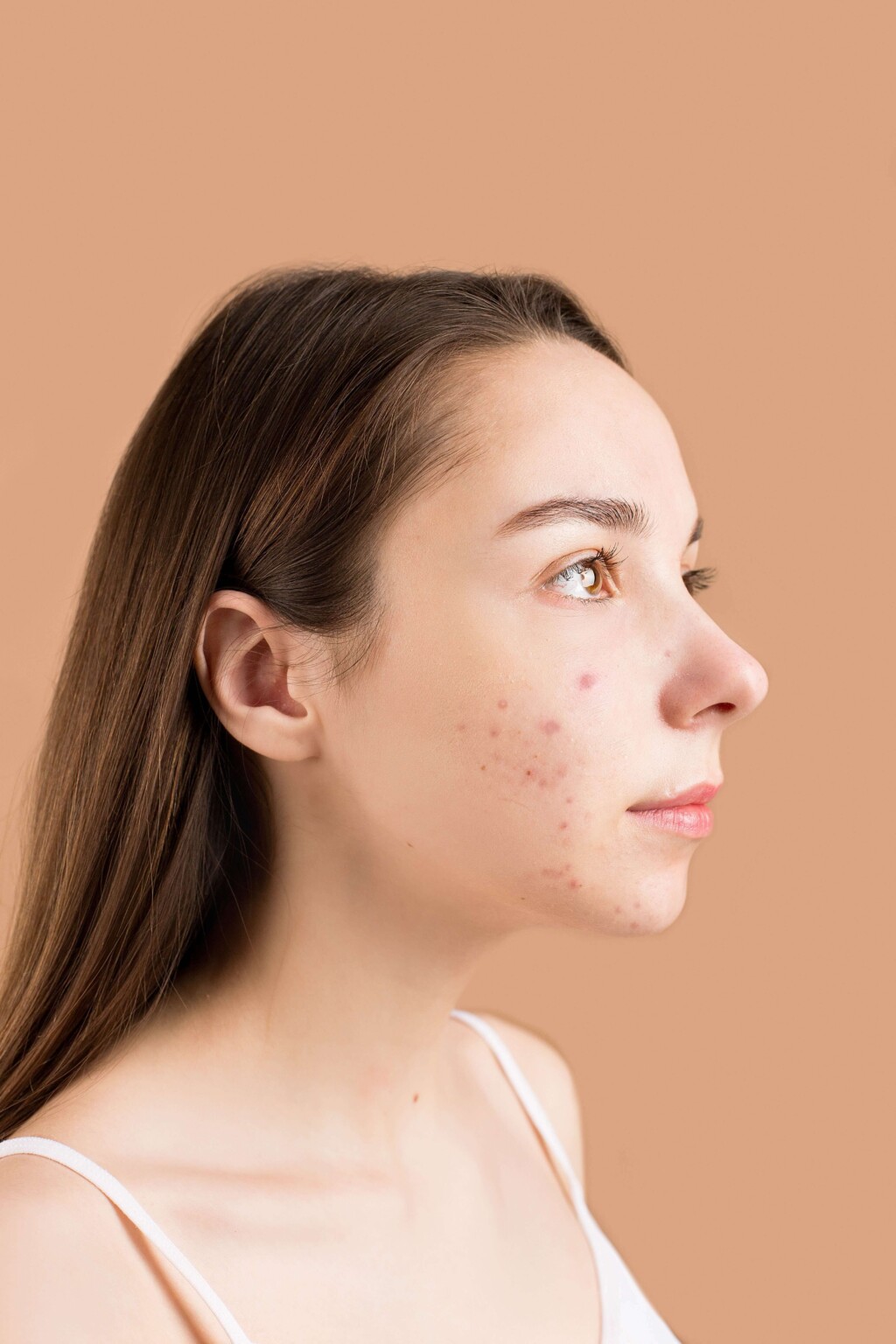
Acne vulgaris, or acne, a prevalent dermatological condition, affects individuals across a wide age range, with a profound impact on self-esteem and quality of life. Acne results in physical symptoms such as pain, itching and discomfort, but its main effects are caused by the visible lesions on the skin. As the skin is an organ of social exposure, the psychological effects of acne can be devastating and lead to low self-esteem, anxiety, shame, embarrassment and social inhibition.
Hormonal factors play a significant role in the pathophysiology of acne, making hormonal interventions, such as contraceptive options, a central issue in acne management.
Acne Prevalence
Acne is a common skin condition that affects 9.4% of the world’s population. (3) More than 85% of adolescents suffer from acne, with moderate to severe acne in around 15-20% of users. Acne often persists into adulthood. 64% of people in their 20s and 43% of people in their 30s show visible signs of acne.
Pathophysiology of Acne
The development of acne is multifactorial and involves four interrelated processes: overproduction of sebum, abnormal desquamation of the follicular epithelium, follicular colonization by Cutibacterium acnes and inflammation.
Certain foods and drinks, particularly those with a high glycemic index (e.g. sugary drinks, starchy foods, highly processed foods) also seem to affect the severity of acne. Other factors that may be involved in the development or progression of acne include stress and exposure to tobacco smoke.
Hormonal fluctuations, particularly androgens such as testosterone, play a central role in stimulating sebaceous gland activity and contributing to the pathogenesis of acne.
Therapeutic options
Since the sebaceous glands are dependent on androgens, hormonal control reduces sebum production, which is initially induced by androgens. The treatments available therefore include:
– Hormonal control;
– Antimicrobial therapies;
– Vitamin A derivatives, such as 13-cis-retinoic acid (isotretinoin);
– Physical therapies (electrocatheterization, cryotherapy).
Combined oral contraceptives (COCs), which contain both estrogen and progesterone, are indicated for adolescent females and women of childbearing age who suffer from moderate to severe acne. Several studies have demonstrated the efficacy of dienogest/ethinylestradiol in the treatment of acne vulgaris.
Dienogest + Ethinylestradiol: A Contraceptive Option for Acne Management
Dienogest (DNG) and Ethinylestradiol (EE) are components of combined oral contraceptive pills (COCs) that are used to manage acne. These contraceptives are used to regulate hormonal imbalances that contribute to the development of acne.
Reduction in Androgen Activity: Dienogest is a progesterone with anti-androgenic properties. Dienogest competes with androgens for binding to their receptors, effectively reducing androgenic activity. By inhibiting the action of androgens, DNG helps to mitigate the production of sebum, one of the main contributors to the development of acne.
Hormonal stabilization: Ethinylestradiol, a synthetic form of estrogen, is an essential component of DNG/EE contraceptives. Ethinylestradiol helps to stabilize the hormonal fluctuations that occur during the menstrual cycle. This results in a reduction in the severity of hormonal fluctuations that can aggravate acne.
Progesterone-only contraceptives
Progesterone-only contraceptives (POP) offer an alternative for individuals who cannot use contraceptives containing estrogen. Although these options are less effective at directly reducing sebum production, they may be suitable for certain women with acne who have contraindications to estrogen-containing contraceptives.
Editorial Note: This page and all other contents present in
lifewell.pt
are prepared and reviewed by medical experts in Portugal.