
Uterine fibroids: what they are and how they affect women’s health
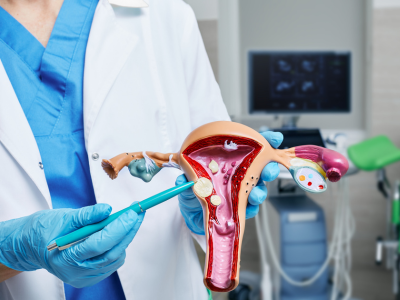
Uterine fibroids, also known as leiomyomas or fibromyomas, are the most common pelvic tumors, affecting up to 70% of women. They are benign tumors made up of uterine muscle cells. Generally, fibroids are asymptomatic, but sometimes they are associated with symptoms such as abnormal uterine bleeding and pelvic pain, which can have implications for reproductive life and fertility.
Symptoms
The majority of women with fibroids are asymptomatic and only find out about them when they have an imaging test, usually a gynecological ultrasound. However, a significant percentage may report symptoms. In symptomatic women, the most frequent complaints are heavy, prolonged and painful periods and a feeling of pelvic pressure. Some fibroids, depending on their location and size, can cause urinary complaints, such as increased urinary frequency and difficulty urinating, and intestinal complaints, particularly constipation. It should also be noted that, depending on their location and size, fibroidscan have an impact on fertility and increase the risk of certain pregnancy complications.
Diagnosis
In the consultation, the doctor may suspect the existence of fibroids through the clinical history and objective examination (including gynecological examination), but imaging, namely gynecological ultrasound, is essential to confirm the diagnosis and assess the number and location of fibroids. Depending on the findings, it may be necessary to complement the study with other tests, such as magnetic resonance imaging and hysteroscopy.
Treatment
Treatment for fibroids depends on the severity of the symptoms, the woman’s age and the desire to preserve fertility. First-line options include hormonal drugs (pills, intrauterine system) and non-hormonal drugs (anti-inflammatories). There are also other drug options to consider in cases of symptoms that are resistant to first-line treatments. In cases of treatment refractory to medical treatment,
Myomas and Pregnancy
Most women with fibroids are able to get pregnant, with favorable obstetric outcomes. However, depending on the location and size of the fibroids, a percentage of women may find it more difficult to get pregnant and have a higher risk of obstetric complications, such as placental abruption, fetal growth restriction and premature birth.
Specialized medical supervision is essential to ensure a safe pregnancy.

Dr. Helena Carolina Ribeiro Dias
OM 68239
Gynecology and Obstetrics Intern at ULS São João